
The Fate of Flowers in East and West
🌹 Garden Roses in Winter

As autumn fades into winter, my garden roses surprise me with new buds.
Should they have stayed dormant, or did they simply long to bloom?
On the sunlit branches, blossoms appear—accidental, or perhaps a quiet love for the cold.
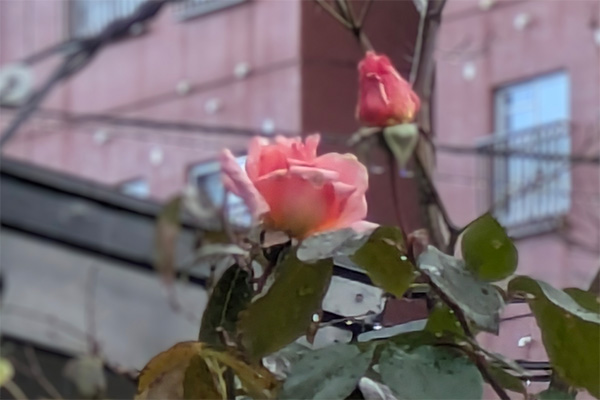
🌸 Rescued Flowers and a Discovery
At my husband’s workplace, flowers are displayed once and then discarded.
He often brings them home, and one day I left them in a bucket of water in our sunroom.
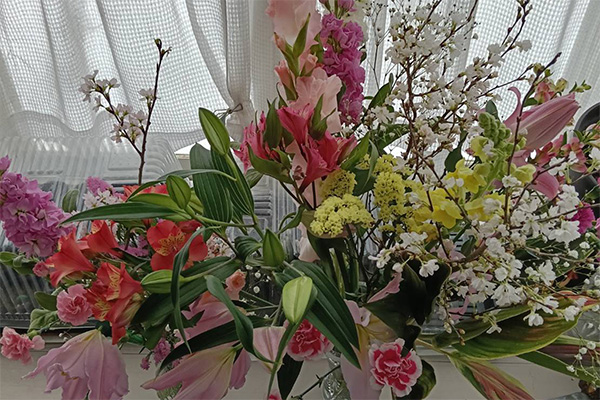
That’s when I noticed something remarkable:
- Indoors, flowers wilt within three days.
- In the sunroom, they lasted nearly a month.


Cold air, bright sunlight, and gentle ventilation seemed to be the perfect conditions for their survival.
📖 The Fate of Flowers in The Book of Tea
Okakura Kakuzō’s The Book of Tea contrasts the destinies of flowers in East and West.
- In the East, masters of flowers sought to prolong life: charcoal pressed to stems, wires threaded through stalks, even salt, vinegar, alum, or sulfuric acid. They boasted of extending life by two weeks or more—an act they considered respect for nature’s order.
- In the West, banquet flowers were symbols of wealth and whimsy, discarded mercilessly once the revelry ended.
Either way, flowers remain beautiful—and unfortunate.
👀 From the Flowers’ Perspective
We admire flowers from our rooms, but imagine if they were gazing back at us.
From the fleeting glamour of banquets, they find themselves in a quiet sunroom, their lives extended.
There, in a warm, slightly dry space, they watch an ordinary woman sipping tea, nibbling sweets, and working at her computer.
What do the flowers think as they look upon us?
✨ Closing Thought
Okakura may have believed that prolonging life was a form of respect. Yet others might see it as cruelty disguised as care. Is it better to suffer longer, or to fade quickly without pain?
If you were a flower, which fate would you choose?


最近のコメント